 Lola Lefevre
 Lola Lefevre
Achat
Buying a used car can be a tricky experience, especially if you don't have all the necessary information about its past. A vehicle history report can offer you crucial details, but how do you interpret this information? Here is a step-by-step guide to help you fully understand what a vehicle history report reveals.
One of the most important aspects of a vehicle history report is the accident history. Make sure to check if there have been any major accidents or significant damage. This can give you a clear idea of the vehicle's structural condition.
"In addition to accidents, examine the details of repairs made to the vehicle. Frequent repairs could indicate recurring mechanical problems."
A vehicle history report will tell you if the vehicle's title is clean, meaning there are no debts or third-party claims on the vehicle.
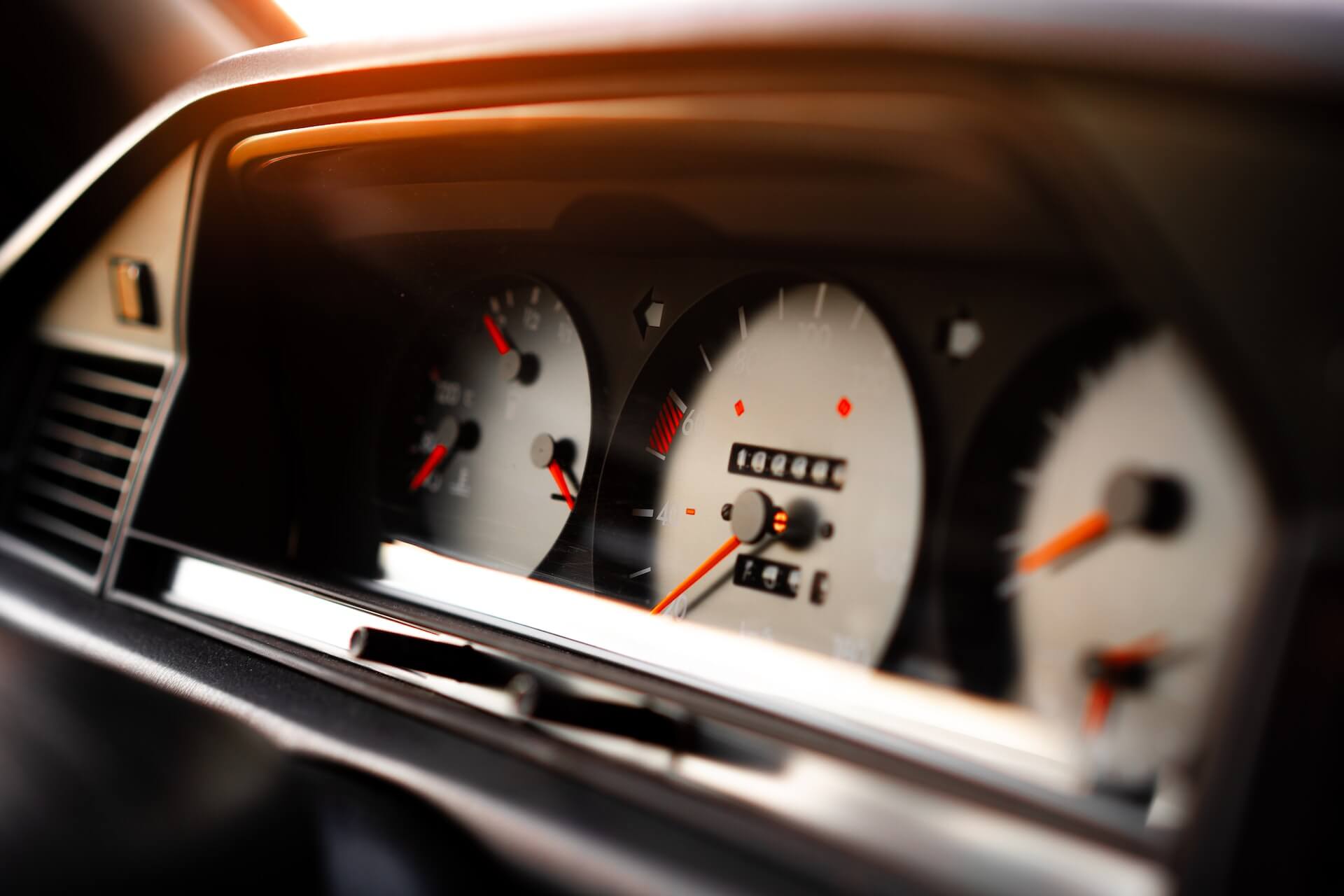
Make sure the mileage shown on the report is consistent with what the seller claims. High mileage can mean significant wear on the vehicle.
By following these key steps, you can effectively interpret a vehicle history report and make an informed purchase decision. Remember that due diligence is essential when buying a used car.
Buying a used car can be a positive and worry-free experience if you exercise caution and use available resources such as vehicle history reports. By understanding the key steps to interpret these reports, you can avoid unpleasant surprises and drive with confidence in your new car.
Remember to always exercise due diligence and, if necessary, consult an automotive expert to help you in your purchasing process.
Lola Lefevre
 Manon Martinez
 Patrick Robert